
Bangladesh Ham Radio Flood Communication Became a Lifeline
When mobile networks, internet service and electricity failed, amateur radio operators connected Feni’s disaster teams with rescue information from across Bangladesh.
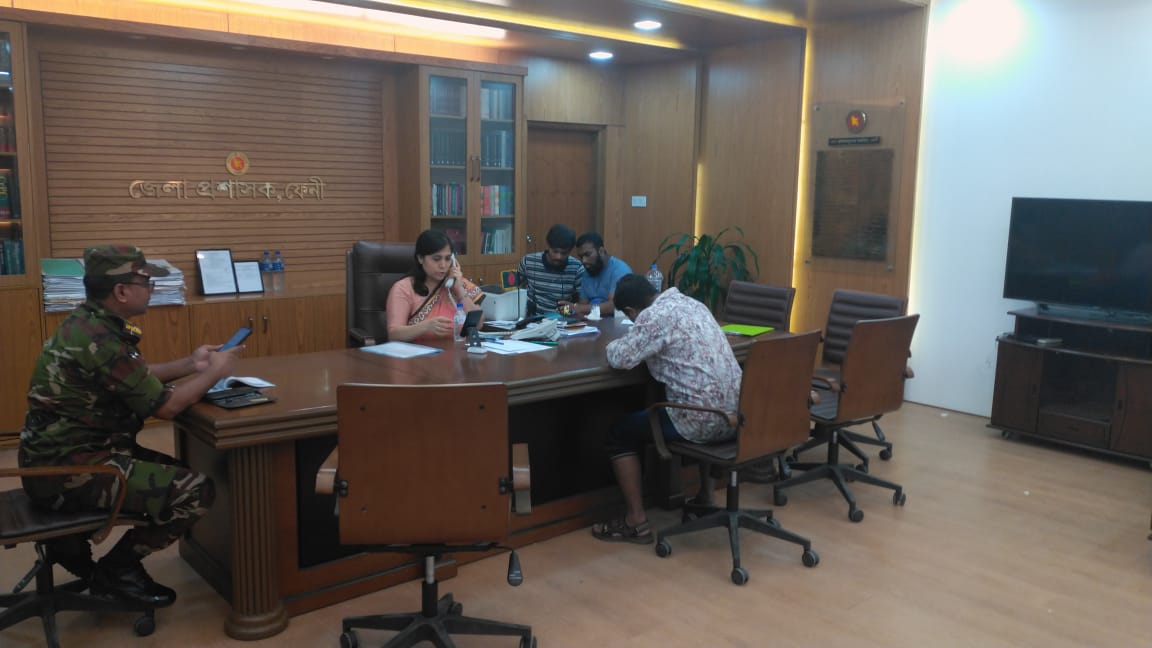
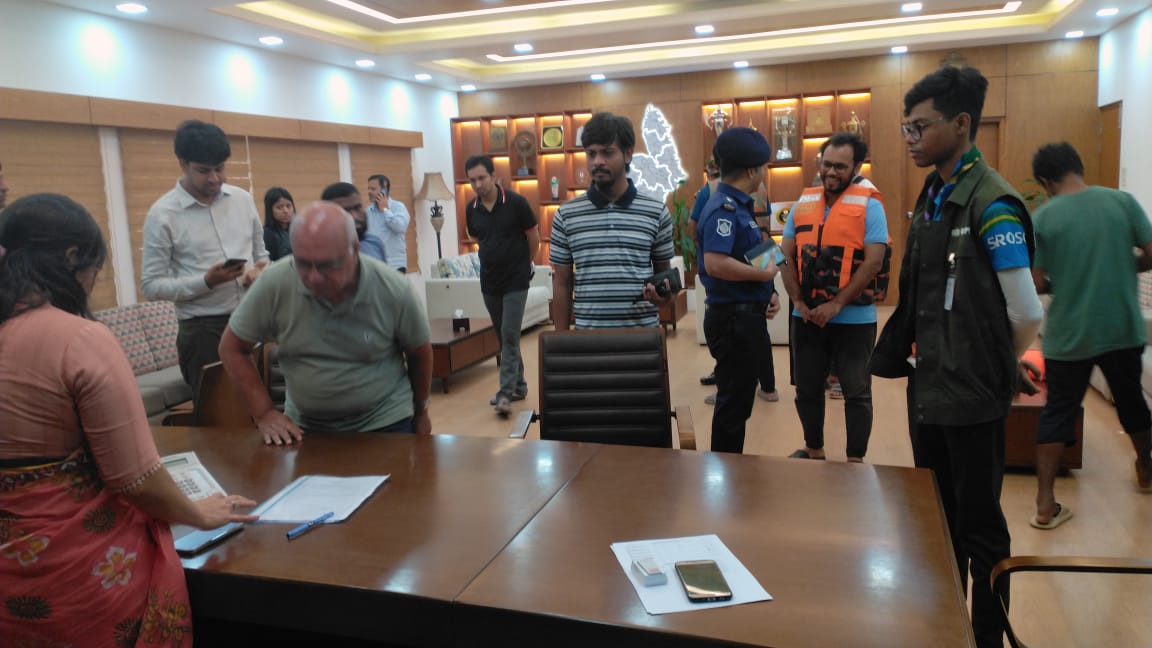
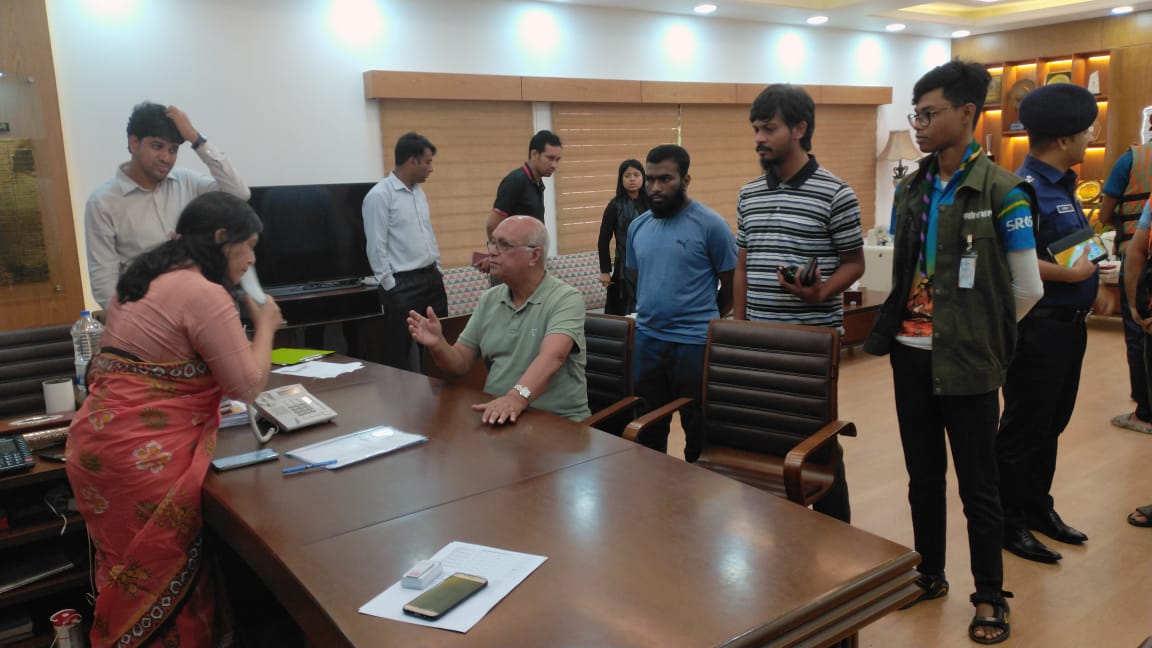
Bangladesh ham radio flood communication became essential after severe flooding isolated Feni and nearby communities. Amateur radio operators established base stations and control points, relayed rescue requests and connected the Deputy Commissioner’s office, Army, Red Crescent, Fire Service, medical teams and field volunteers.
The volunteer network helped organize more than 375 rescue operations in remote areas, demonstrating how amateur radio can maintain critical information flow when conventional communication infrastructure is unavailable.
When conventional networks failed
Floodwater cut Feni off from the rest of the country
An isolated district
Eight districts flooded late at night. In remote places, mobile phones and internet services stopped working, electricity was unavailable and normal channels for requesting rescue or relief were disrupted.
The situation was especially severe across an area extending roughly 70 kilometres around Feni city. Amateur radio operators used their own equipment to rebuild a basic communication link.
Deployment to Feni
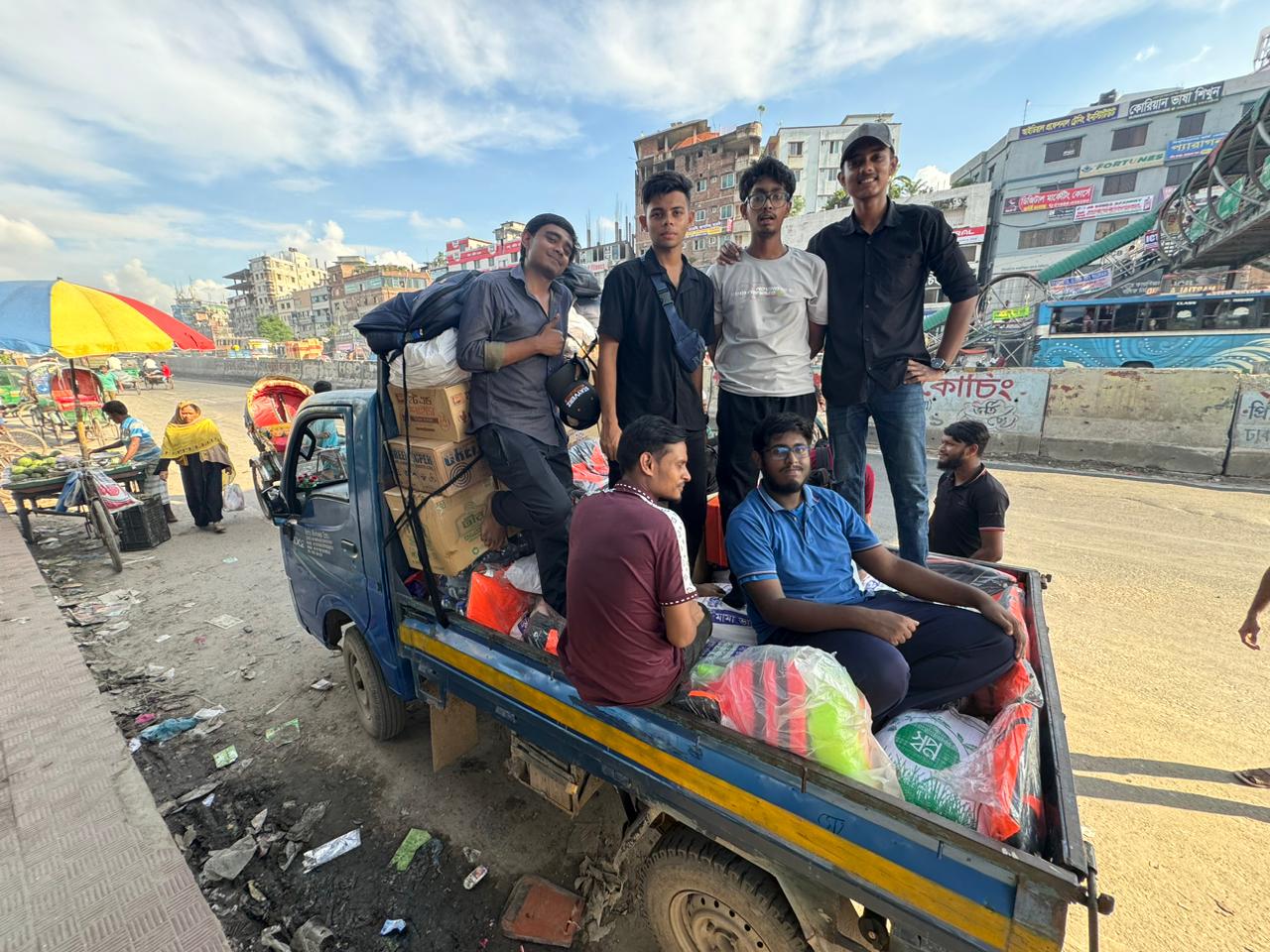
Operators carried radios, batteries, life jackets and food into the disaster zone
The advance team mobilized
Fahad, Jihad and Alam learned that Feni’s communication system was failing and coordinated with other operators in Dhaka and Khulna.
Equipment moved toward Feni
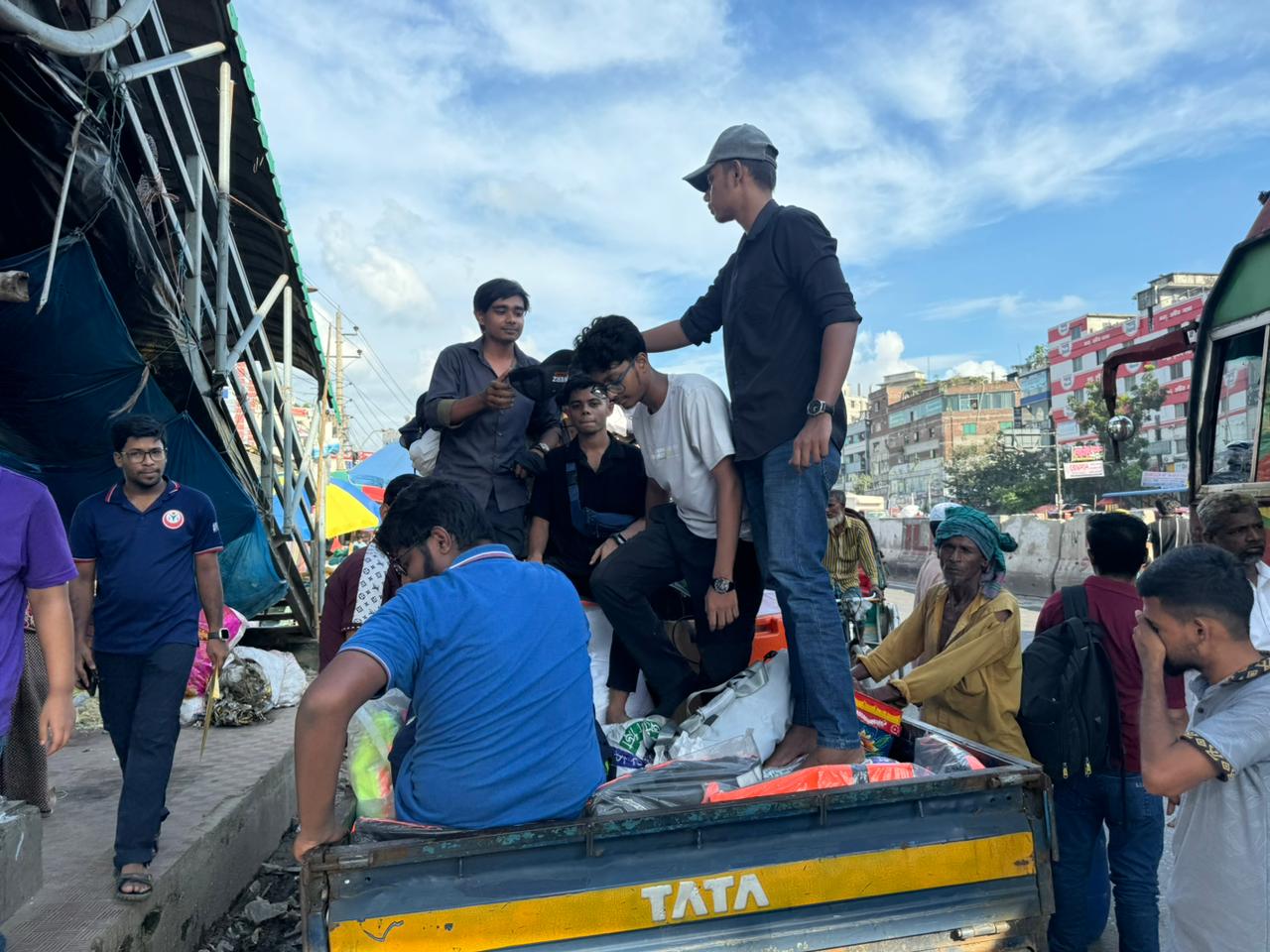
The volunteers collected life jackets, radios, batteries, dry food and other essentials before leaving in heavy rain.
Floodwater blocked the bus
About 20 kilometres from Feni, water and traffic congestion stopped the vehicle. Operators helped restore road order before reaching the city by a bypass.
The first control station opened
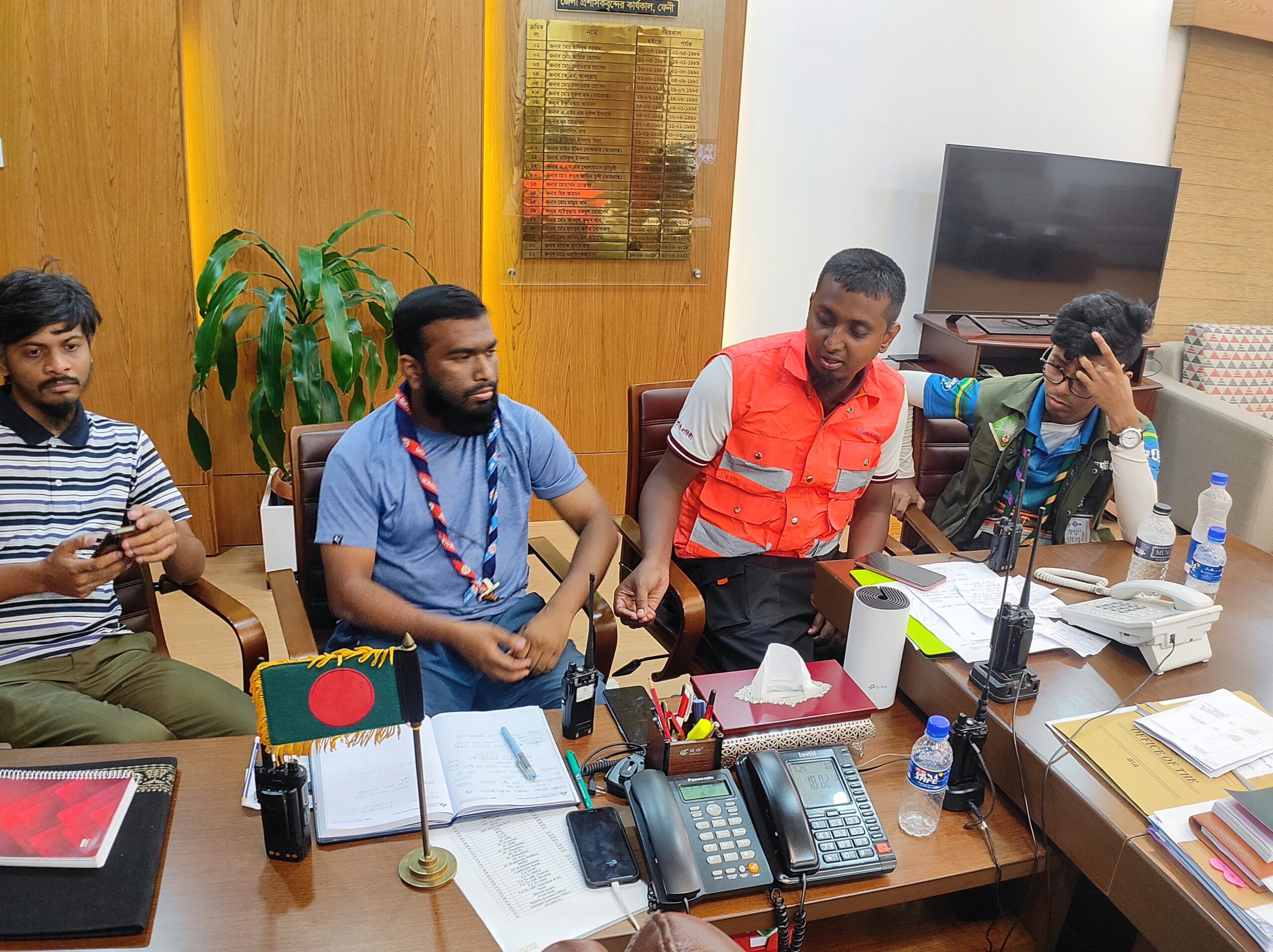
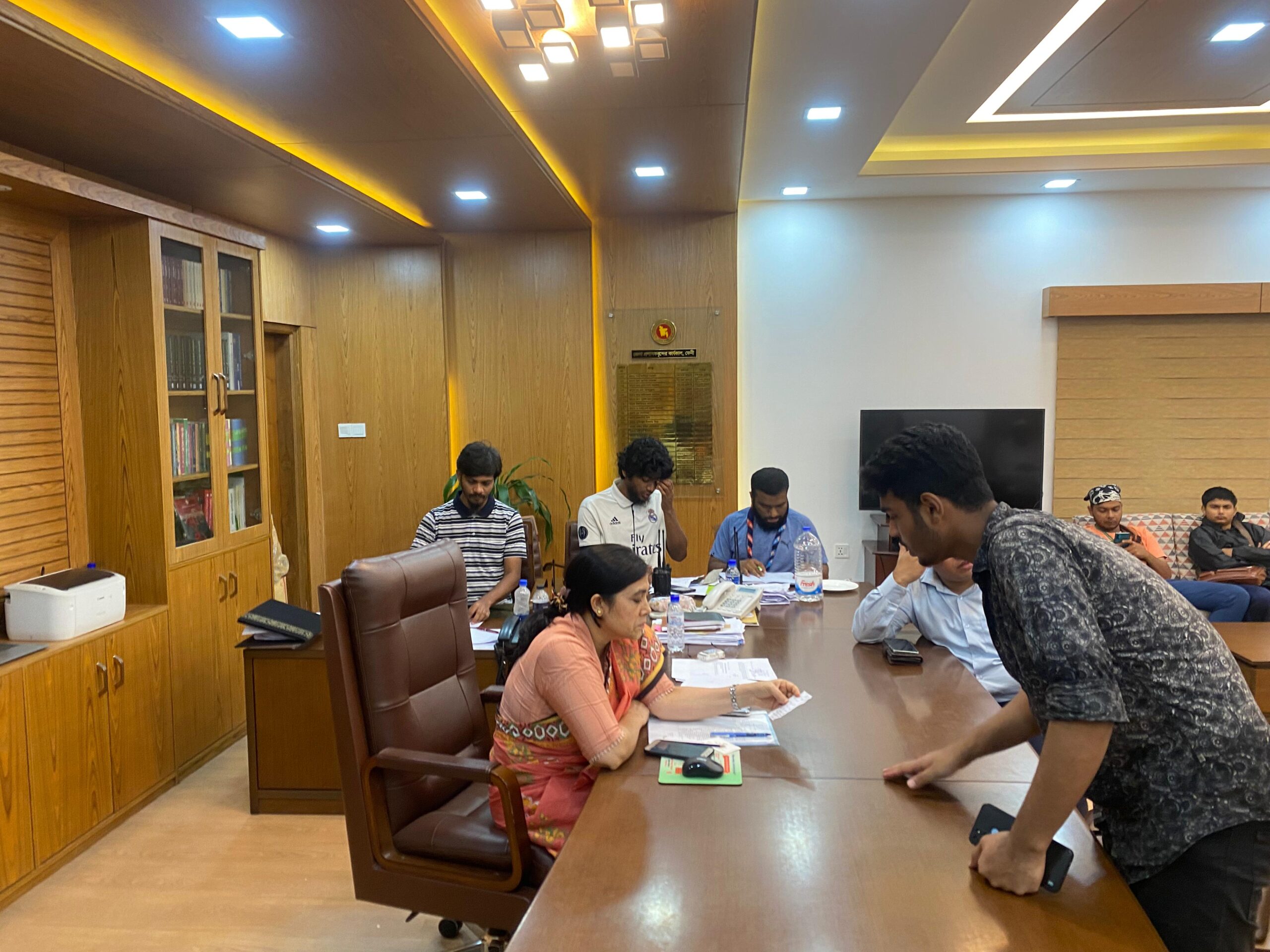
Deputy Commissioner Shahina Akhter approved the amateur-radio proposal and provided space inside the Deputy Commissioner’s office.
The network expanded
A high-level station, an Army base station and continuous operator assignments enabled the emergency communication system to begin full operations.
The emergency radio network
Multiple stations and relays linked Dhaka, Feni and field rescue teams
One-way Dhaka-to-Feni radio link
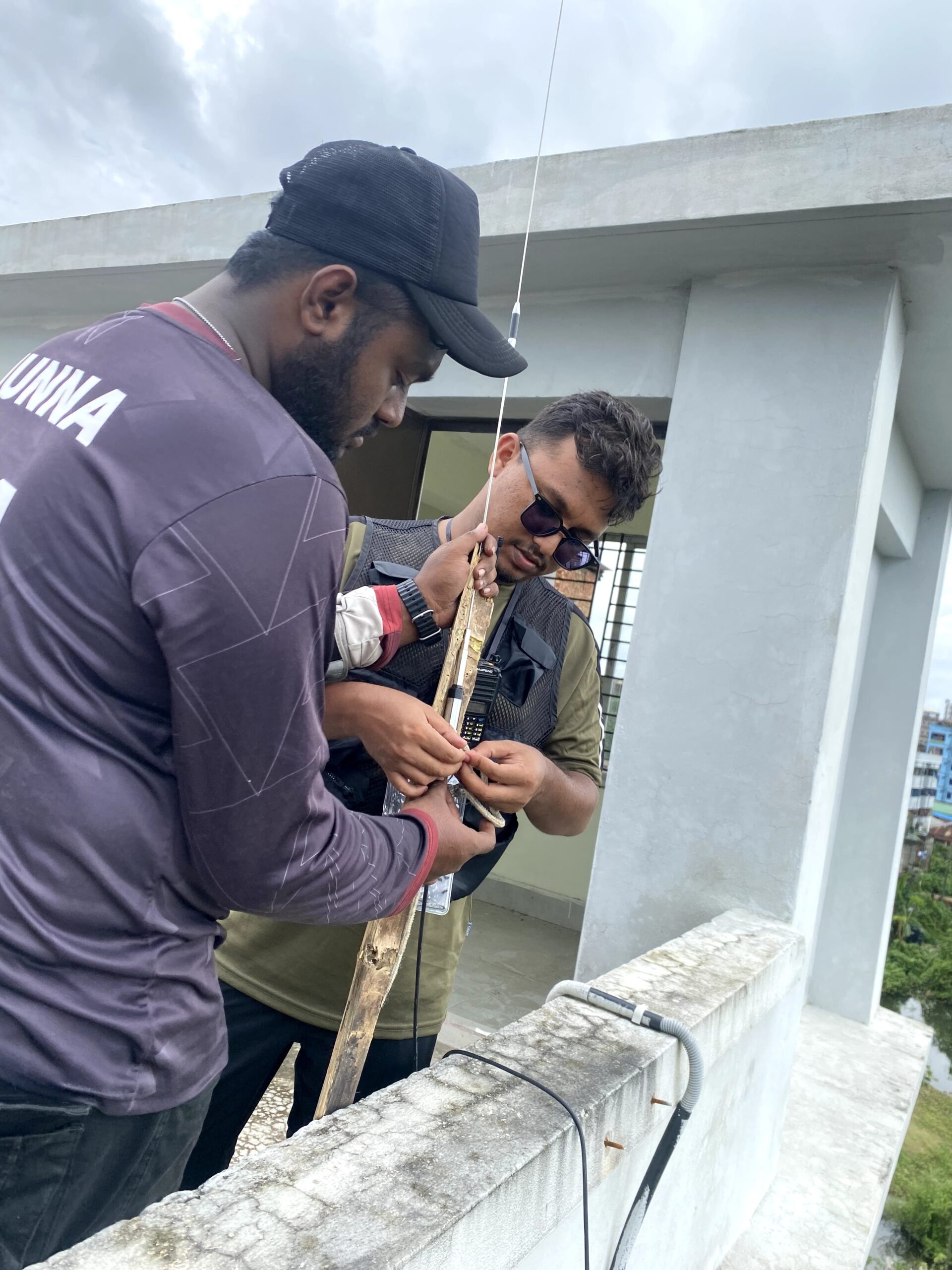
Rabbi (S21RC) and other operators installed a 15-element Yagi antenna and base station on Scout Bhaban in Kakrail. Feni could receive the Dhaka signal, but the smaller Feni setup could not send back to Dhaka. Messages received on the 15-storey building were therefore relayed locally to the DC office.
How rescue information moved
A practical workflow converted messages into field action
Rescue and relief information arrived from Dhaka, local contacts and volunteer networks.
Locations, needs and priorities were recorded at the Feni control station.
Operators transmitted the information between high-level stations and field teams.
Army and relief personnel decided where to rescue people or deliver essential supplies.
A rescue message for a pregnant woman
One urgent request shows why reliable communication mattered
Trapped in Fulgazi
Ragib Naeem, speaking from Dhaka University’s Student-Teacher Centre, reported that Sanjana and her husband had been trapped for two days in a school building in Fulgazi. Sanjana was pregnant and needed urgent rescue.
The message was forwarded to Fahad (S21AF) and Sajal (S21DAC), who contacted the Feni control station. From there, the information reached the Army rescue team.
Radio connected people to action
Requests from outside the disaster zone became actionable information inside Feni—even while phones, internet service and electricity remained unavailable.
“When all modern communication systems are disconnected, an amateur radio operator tries to communicate with his own radio.”
Operators named in the response
Local and international radio links supported the emergency effort
- VK2VRB / S21RBRobin
- S21AF / S21CPFahad
- S21DACSajal
- S21MOBJihad
- S21AKAlam
- S21RCRabbi
- KF5IVL / S21RMunim Hossain Rana
Original news coverage
Further reporting on amateur radio during the Feni flood
Flood-response gallery
Select any photograph to open the full-size image
Frequently asked questions
Key facts about amateur radio during the Feni flood
Why was ham radio needed during the Feni flood?
Mobile networks, internet service and electricity were unavailable in many affected areas. Amateur radio provided an independent way to relay rescue and relief information.
How many rescue operations did the radio network support?
The published account reports that emergency communication helped organize more than 375 rescue operations in remote areas.
Where was the main Feni radio control station?
Operators established a station inside the Feni Deputy Commissioner’s office, with additional radio positions at a nearby 15-storey building and with the Army.
How did Dhaka communicate with Feni?
A station at Scout Bhaban in Kakrail used a 15-element Yagi antenna and VHF base radio. Feni received the Dhaka signal and relayed messages locally to the DC office.
Which agencies received amateur-radio information?
The network supported coordination involving the Deputy Commissioner’s office, Army, Red Crescent, Fire Service, hospitals, medical camps and field rescue teams.
What is the value of amateur radio in disasters?
Amateur radio operates independently of public mobile and internet infrastructure, allowing trained volunteers to maintain essential communication when normal networks fail.