Medicine Crosses the Barbed Wire to Dhaka
When urgently required medicine for a Bangladeshi child could not be found locally, cooperation between amateur radio operators in Bangladesh and India helped turn communication into humanitarian action.
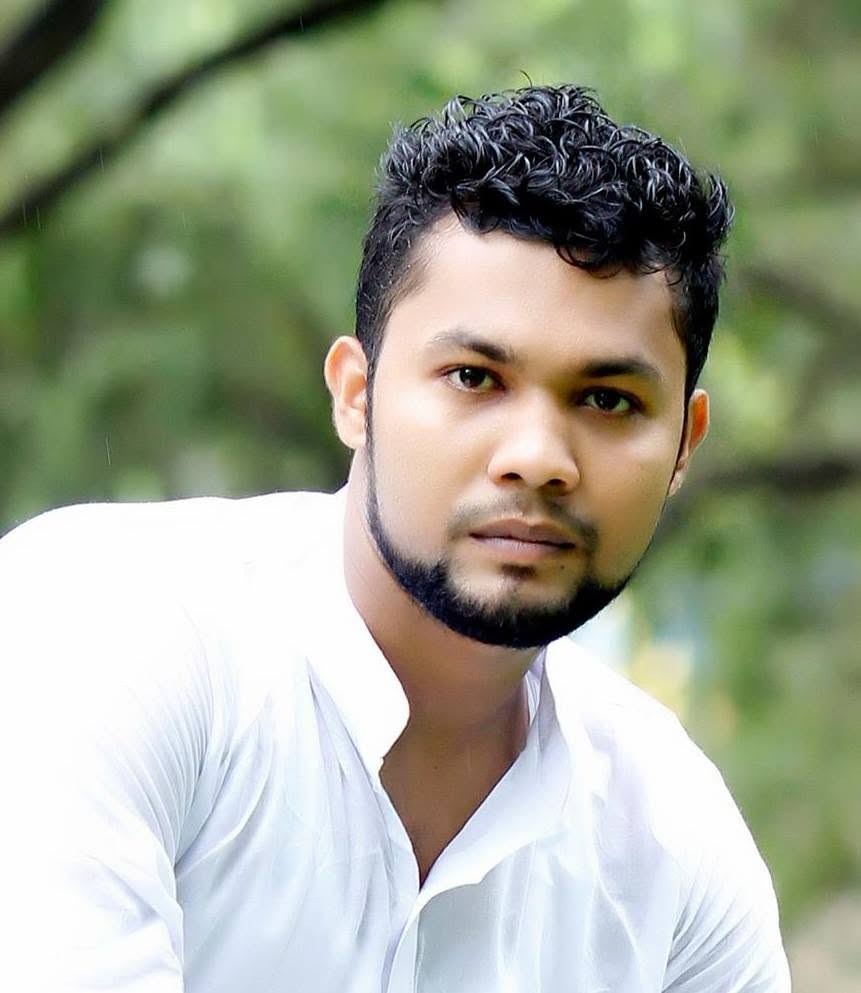
Rahat Khan (S21DI)
Member of Amateur Radio Society of Bangladesh (ARSB)
Rahat Khan, S21DI, played an important role in initiating communication with amateur-radio colleagues in India when the urgently required medicine could not be found in Bangladesh.
His request helped activate a network of radio amateurs and volunteers across the border, contributing to the humanitarian effort that eventually brought the medicine to Dhaka.
A Child in Urgent Need
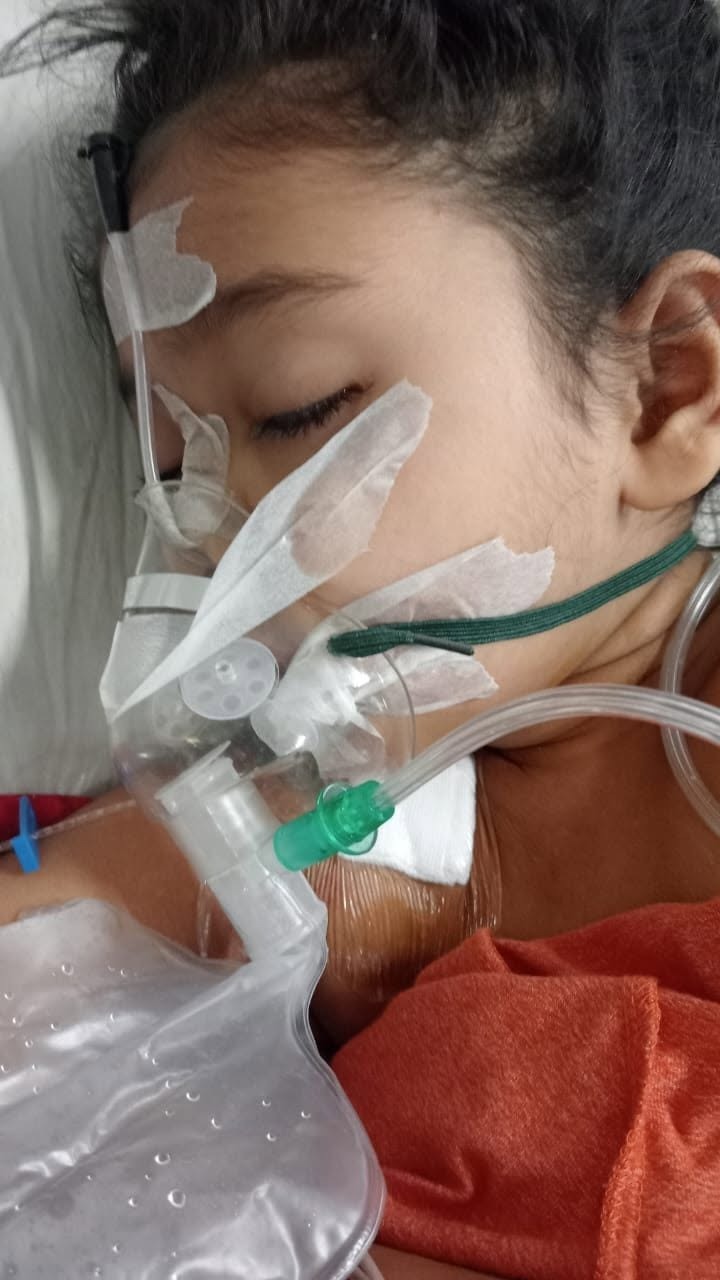
Six-year-old Zara was receiving treatment at Dhaka Medical College Hospital. Her doctors required medicine that her family could not obtain in Bangladesh.
With the required medicine unavailable locally, the search moved beyond conventional channels. Members of the amateur-radio community began reaching through their network of contacts in neighbouring India.
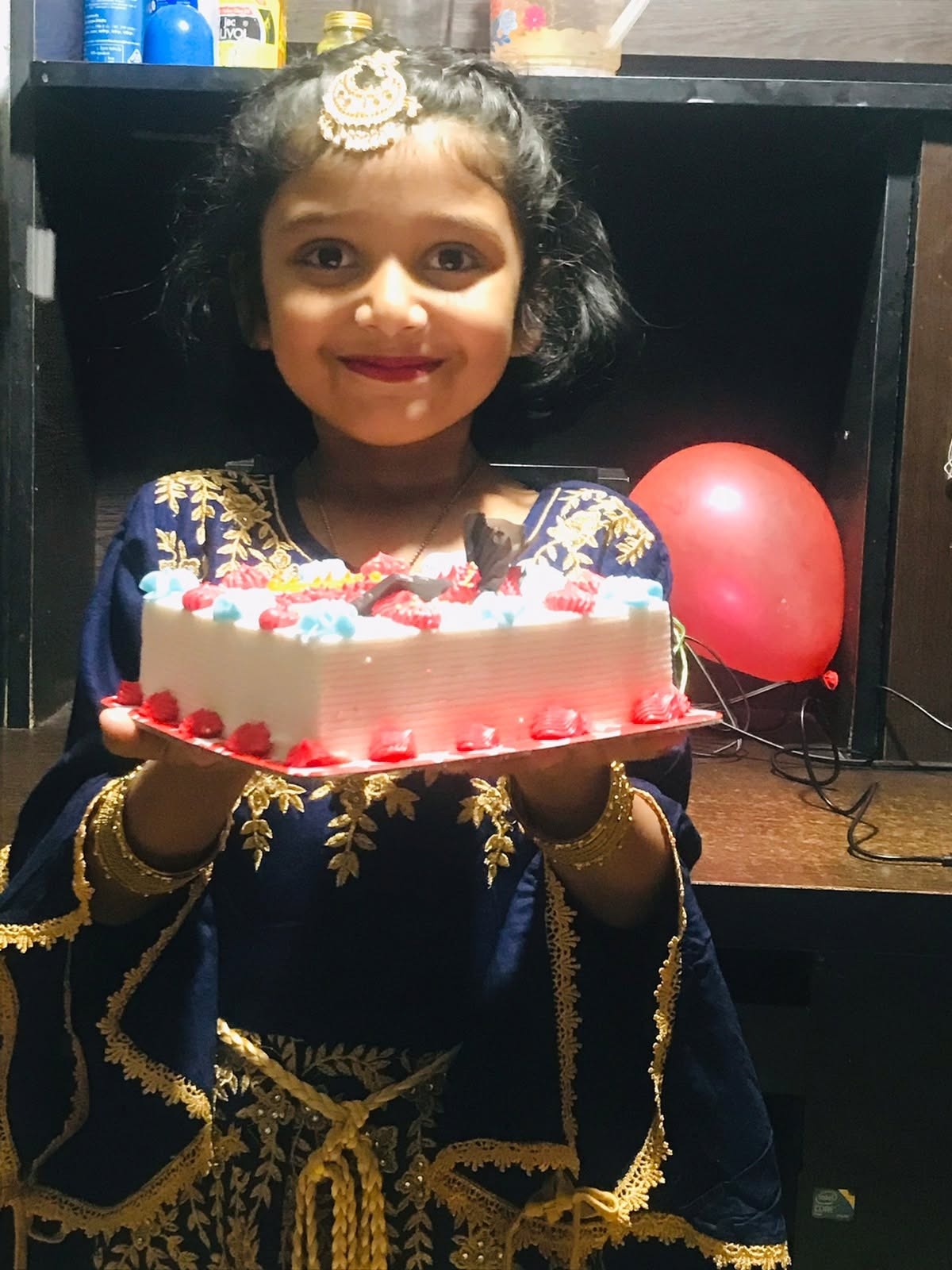
For Six-Year-Old Zara
At the centre of this humanitarian effort was Zara. What began as a family's urgent search for medicine developed into cooperation extending from Dhaka across the international border to India.
Amateur radio provided an important connection, while radio operators, volunteers and travellers helped turn communication into practical assistance.
A Call That Activated a Network
Rahat Khan, S21DI, a member of the Amateur Radio Society of Bangladesh, contacted amateur-radio colleagues in West Bengal seeking assistance in locating the unavailable medicine.
The request began moving through the amateur-radio community. Radio operators and their personal networks started searching for a source of the required medicine.
The search eventually succeeded when the medicine was located in New Delhi, allowing the next stage of the humanitarian journey to begin.
How the Humanitarian Chain Worked
Zara required medicine that could not be obtained locally in Bangladesh.
Rahat Khan, S21DI, contacted amateur-radio colleagues in India seeking assistance.
Amateur radio operators used their personal networks across India to search for the required medicine.
The search succeeded and the required medicine was located in New Delhi.
Coordination was made with a traveller returning to Bangladesh so that the medicine could continue towards Dhaka without unnecessary delay.
The humanitarian chain was completed when the medicine finally reached Dhaka.
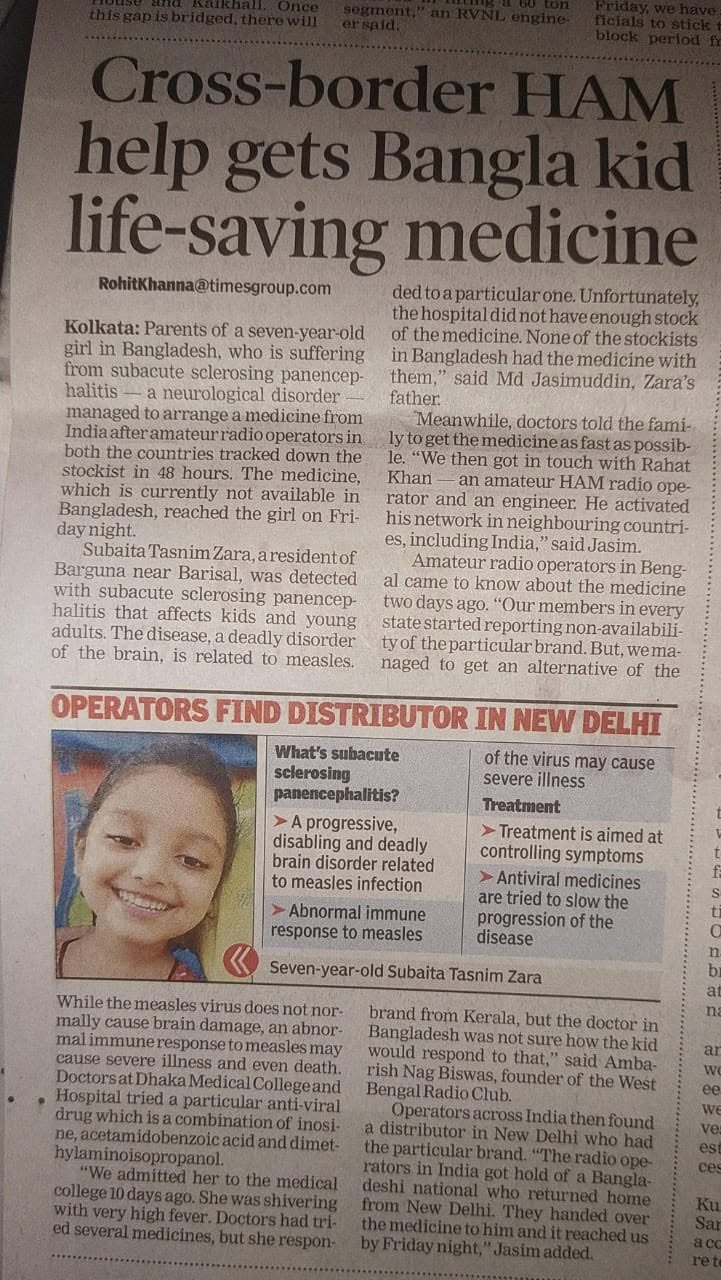
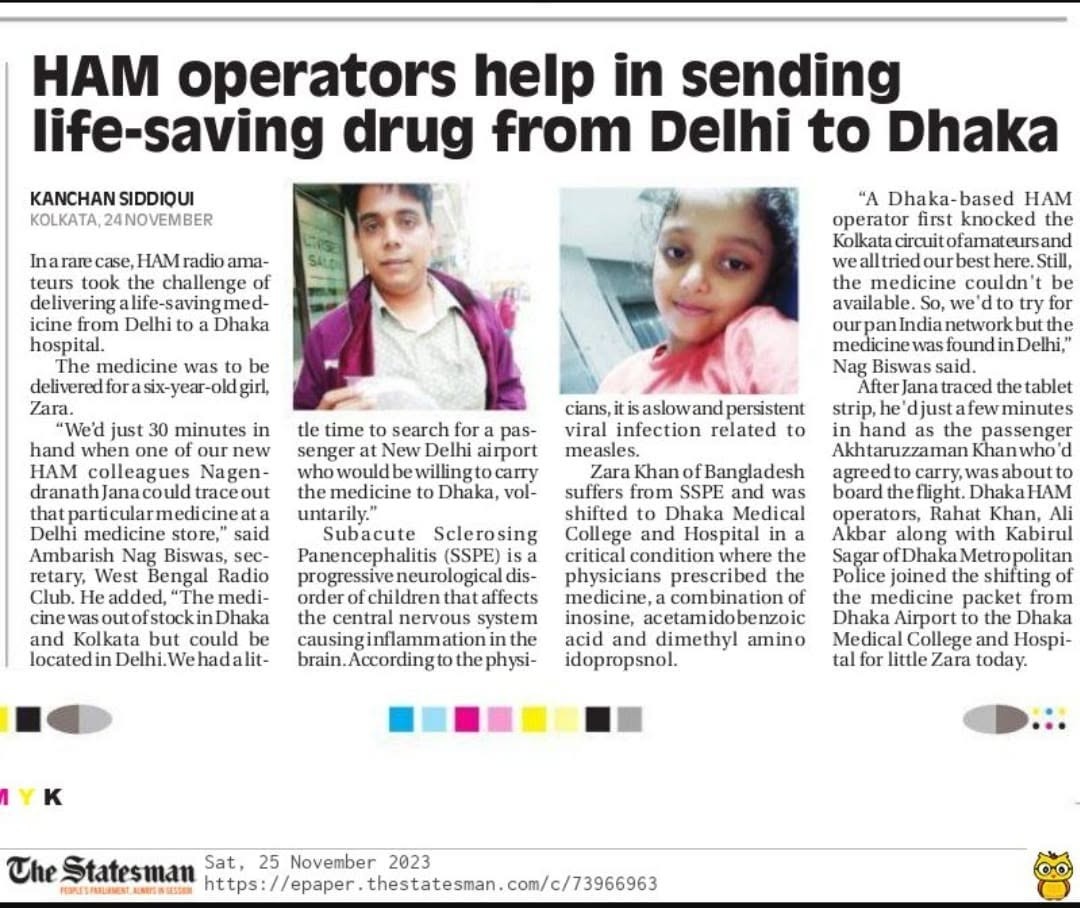
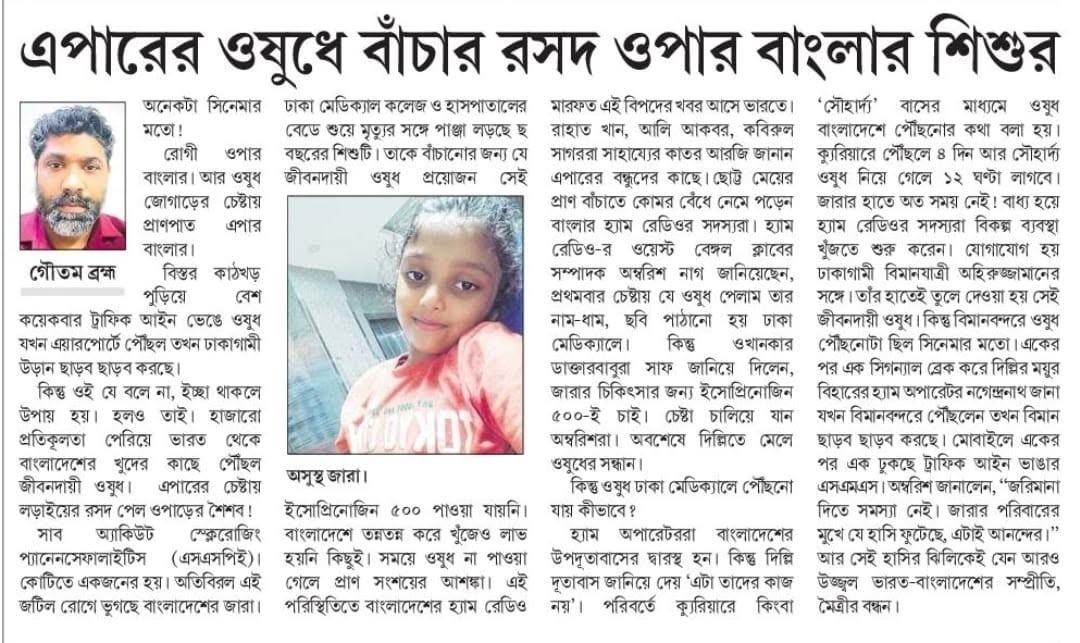
Reported in the Press
The humanitarian effort attracted media attention, helping demonstrate to the wider public how amateur radio networks can support people when urgent assistance is required.
Beyond Radio — People Helping People
No single person completed the mission alone. Amateur radio provided the connection, but the result depended on cooperation among radio operators, family members, travellers, volunteers and others across two countries.
The incident demonstrates one of amateur radio's enduring strengths: behind the radios, antennas and call signs is an international community built around communication, friendship and voluntary service.
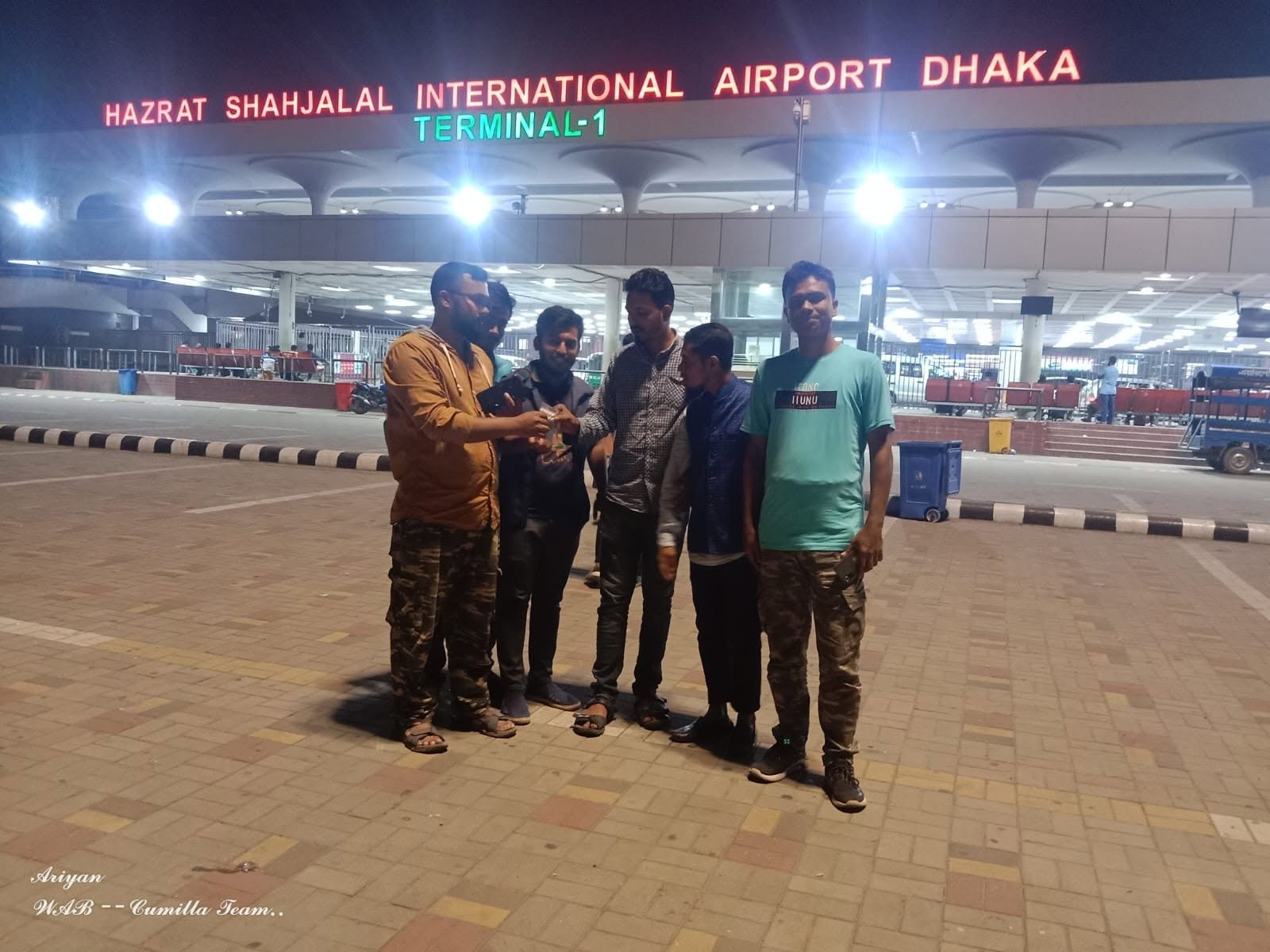
Amateur Radio & Humanitarian Service
Watch this related video highlighting how amateur-radio communication and community networks can play a humanitarian role when people require assistance.